Can You Use Flannel Instead of Batting in a Jelly Roll Rug?
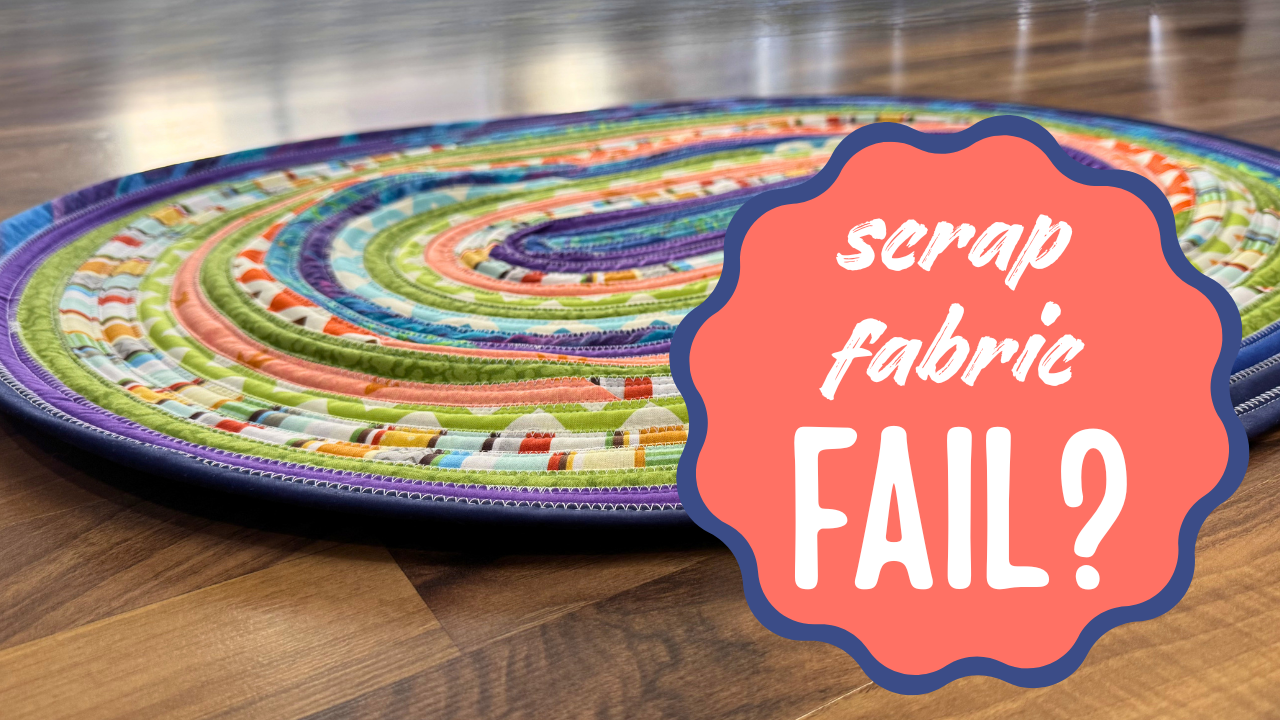
If you've got a stash of old flannel sitting in your sewing room, you might be wondering whether you can use flannel instead of batting for your next Jelly Roll Rug.
I wondered the exact same thing.
After all, using fabric I already owned sounded like a great way to save money and use up some long-forgotten scraps. Unfortunately, this experiment didn't go quite the way I hoped.
The good news? I learned a lot along the way, and if you're thinking about trying flannel as batting, hopefully I can save you a few hours (and maybe an entire spool of thread!).
The Quick Answer
Yes, you can use flannel instead of batting in a jelly roll rug, but in my experience it creates denser tubes that are harder to sew and much less forgiving than traditional batting. Here's what happened when I tested it.
Why I Tried Using Flannel Instead of Batting
Like many quilters and sewists, I have a fabric stash that's grown a little... larger than I'd like to admit.
Tucked away in a box that I’ve moved homes with 3 times, was a pile of flannel I'd been hanging onto.
I knew I was never going to use it for its original purpose, so when I started seeing people mention using flannel instead of batting in jelly roll rugs, I thought this might be the perfect stash-busting project.
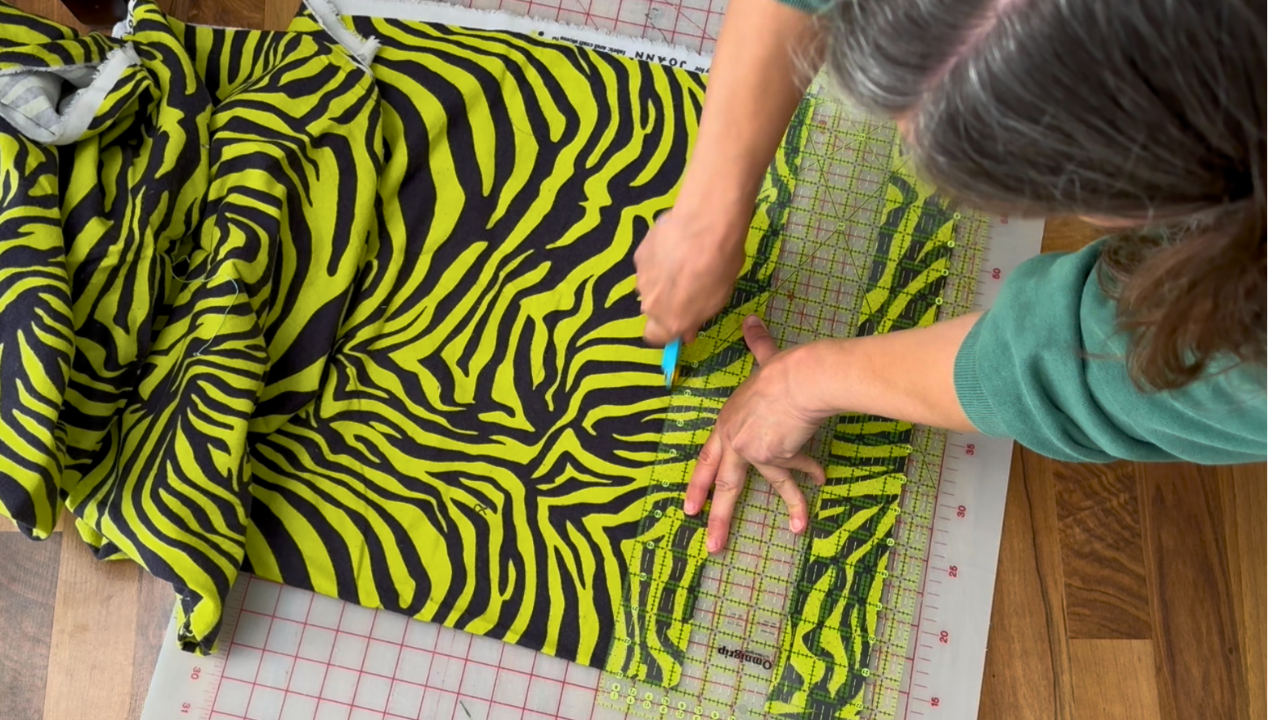
I grabbed my giant stash of flannel, cut it into 2¼-inch strips, and decided to see if it really worked.
What Worked Well
The tube-making process was much easier than I expected.
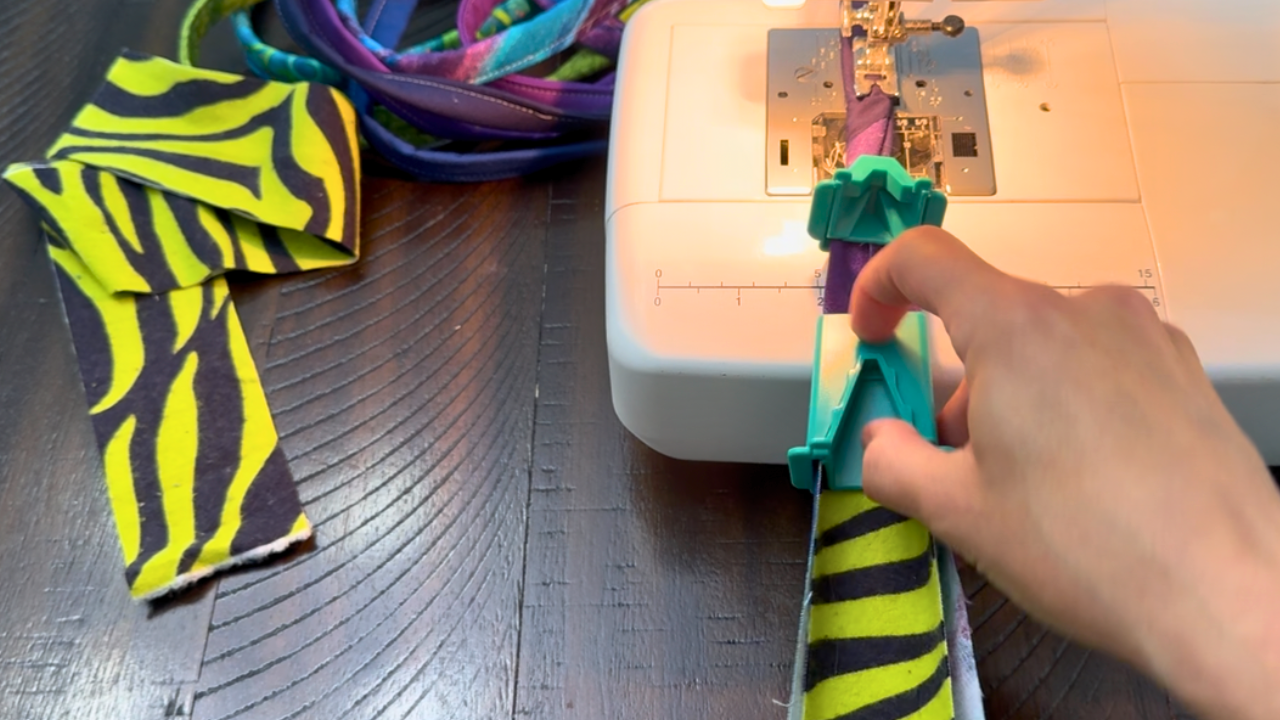
I cut my fabric strips to 2½ inches wide, cut my flannel slightly narrower at 2¼ inches, and made the tube exactly the same way I normally do using my Clover Fabric Tube Maker.
One thing I love about the Clover tool is that it folds everything neatly as you sew, flattens the seams, and saves me from having to iron.
Even better, I didn't bother sewing the flannel strips together first. I simply overlapped the ends as I fed them through the tool, and that worked perfectly.
So if you're wondering whether you can physically make the tubes with flannel, the answer is absolutely yes.
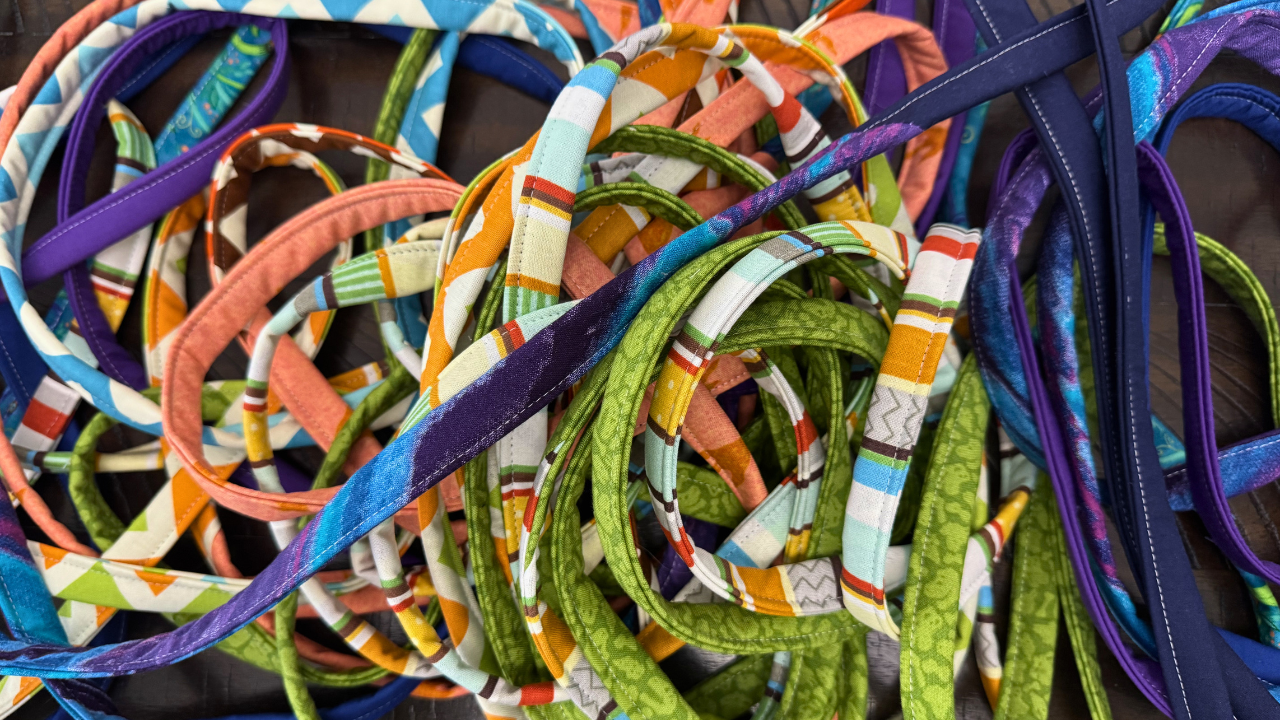
The real challenges didn't start until I began sewing the rug together.
The Four Problems I Ran Into
1. The Beginning Was Much Harder
Normally, batting gives the tubes a little bit of "squish."
That extra loft makes it easier to ease the outer tube around the first few corners without creating puckers or distortion.
The flannel tubes felt completely different.
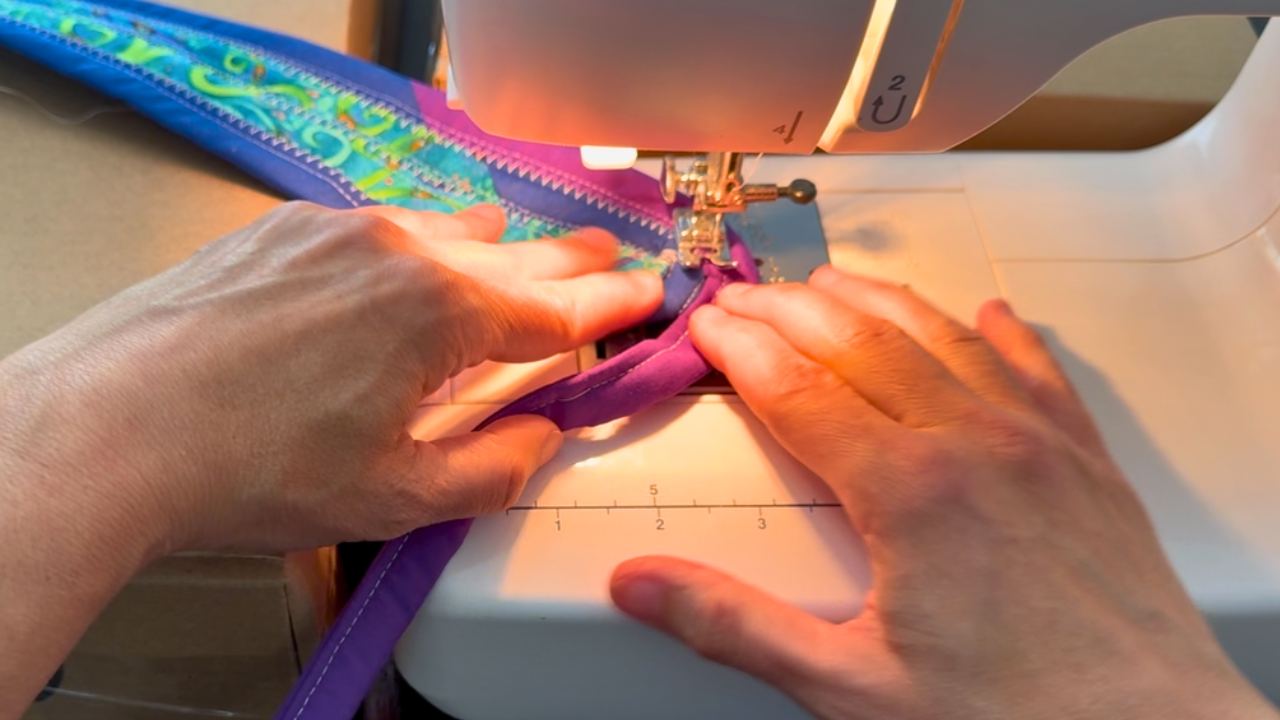
They were firmer, denser, and didn't compress nearly as easily.
I restarted the first few rows twice before deciding to just keep going.
2. My Machine Started Skipping Stitches
This was so annoying.
I've made all of my previous jelly roll rugs using a regular universal needle without any issues.
With the flannel rug, I started getting random skipped stitches almost immediately.
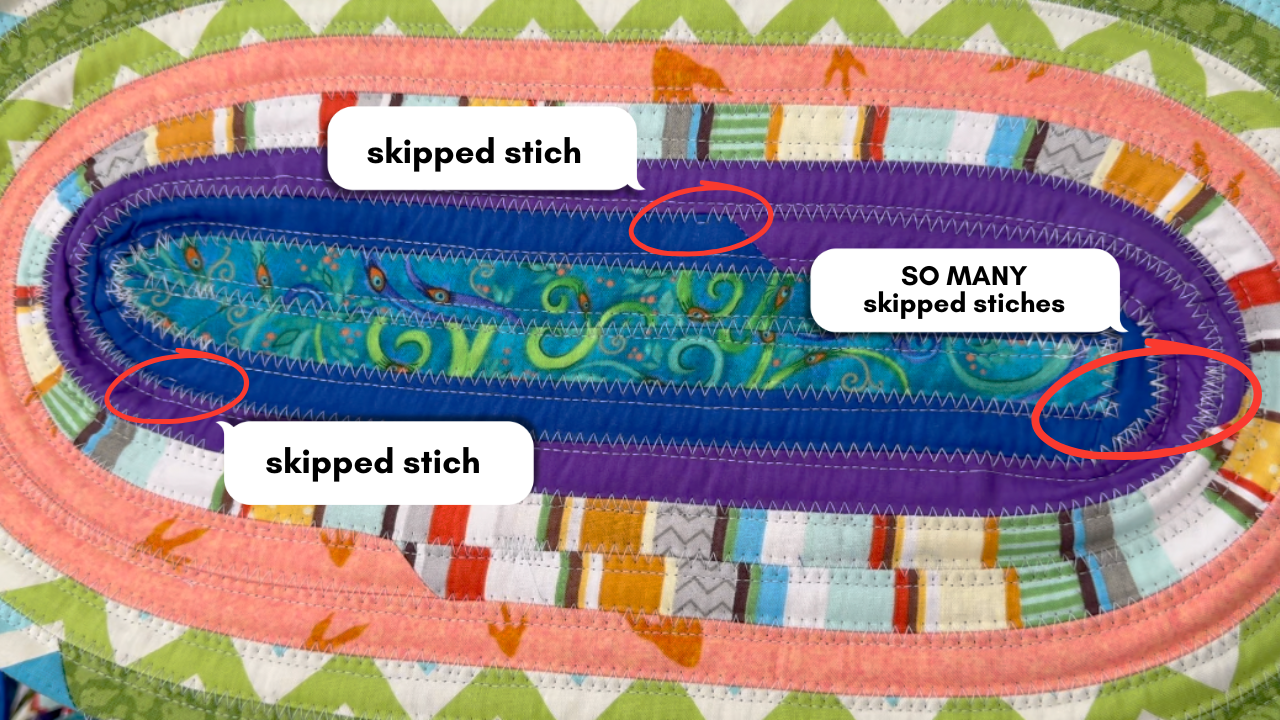
I experimented with my thread tension, but the biggest improvement came after switching to a denim needle.
Once I made that change, the skipped stitches disappeared.
If you're planning to try flannel, I'd recommend starting with a denim needle right from the beginning.
3. The Waves
This was by far my biggest challenge.
I've never had waves develop around the outside edge of one of my jelly roll rugs before.
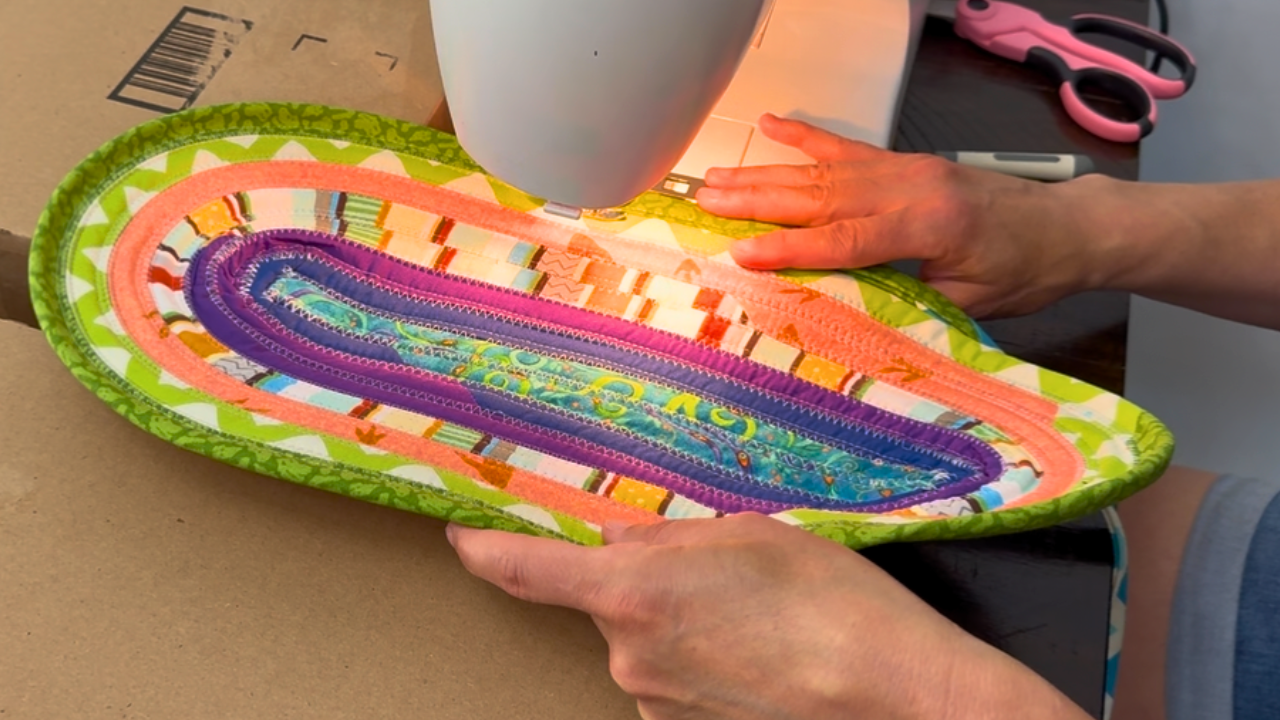
I ripped out the stitching.
Tried again.
Ripped it out again.
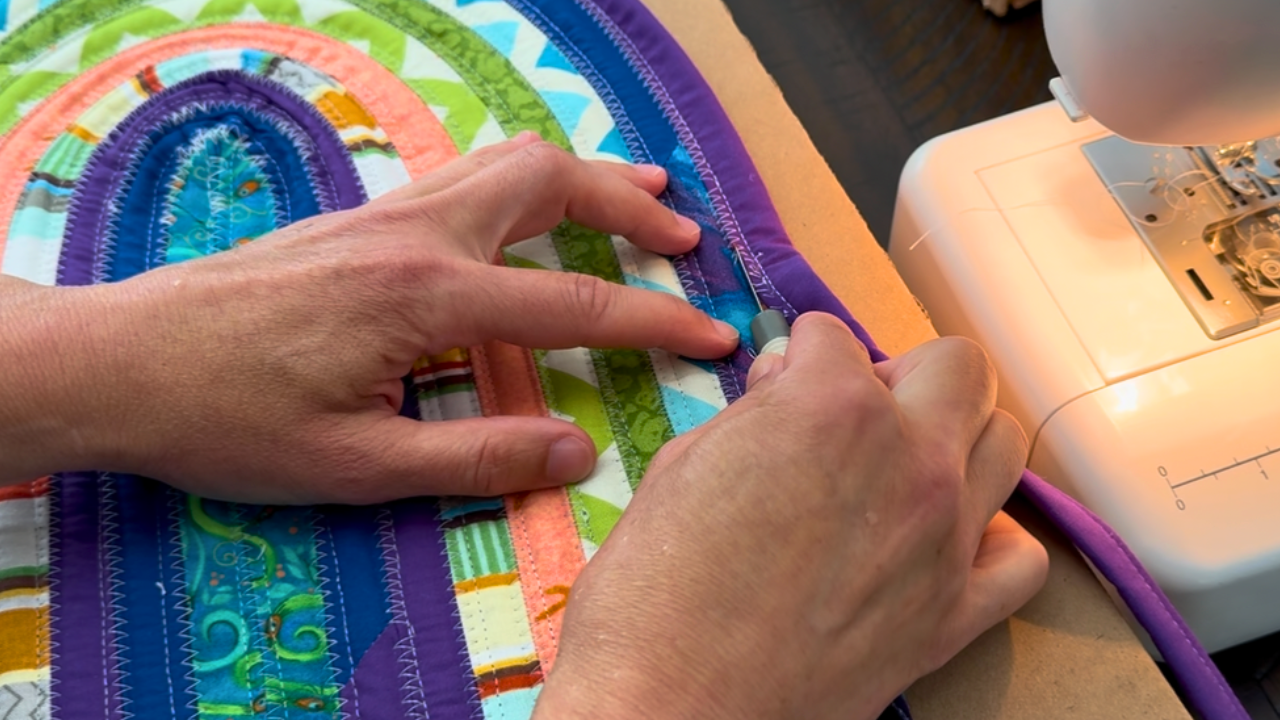
Tried again.
By the third attempt, I was seriously questioning whether this was ever going to work.
My guess is that the denser flannel made it much harder to ease the outer tube evenly around the curves, which caused the waves to develop.
I also wondered whether using a walking foot might help, although I haven't tested that yet.
4. A Flat Sewing Surface Became Essential
One of the biggest surprises was how much my sewing surface mattered.
When I make rugs using traditional batting, I just build up the table with random boxes and books, and not worry about it being completely flat, without causing any problems.
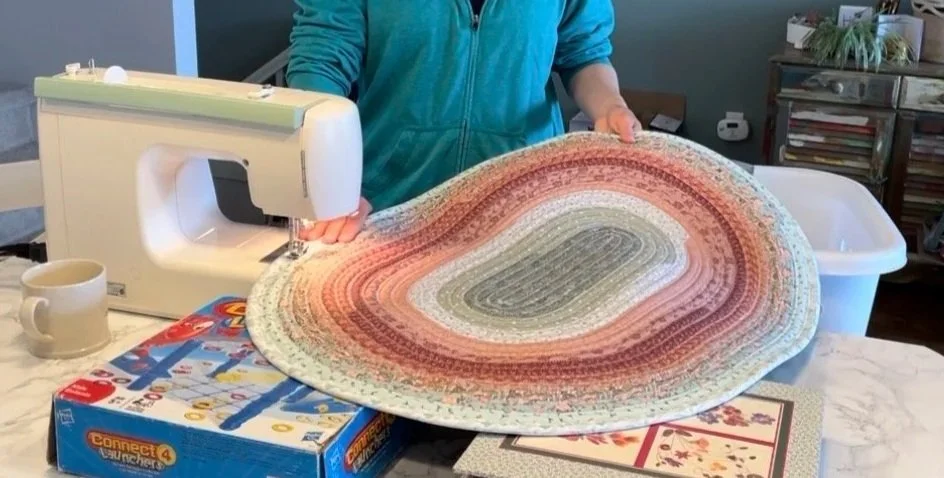
My usual way to sew a Jelly Roll Rug, with a ‘roughly’ flat surface, that’s always been good enough.
With the flannel version, I couldn't get away with that.
The rug really needed to stay perfectly flat while I was sewing.
As soon as part of it dipped lower or higher, it started to bowl and wave.
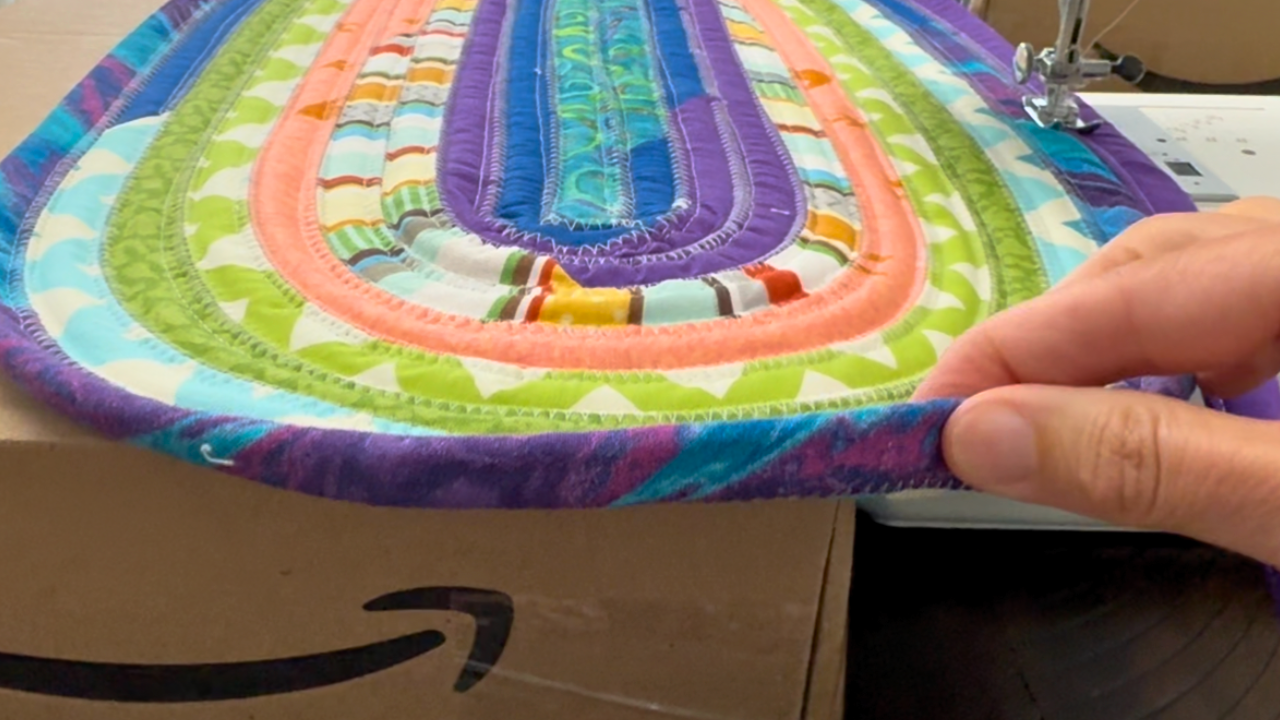
Switching from uneven boxes to sturdy photo albums helped support the rug better, but I still found it much less forgiving than batting.
Why I Think Flannel as Batting Behaves Differently
I'm definitely not claiming to know the science behind it.
This is simply what I noticed while sewing.
Compared to batting, the flannel tubes felt denser and had much less "give."
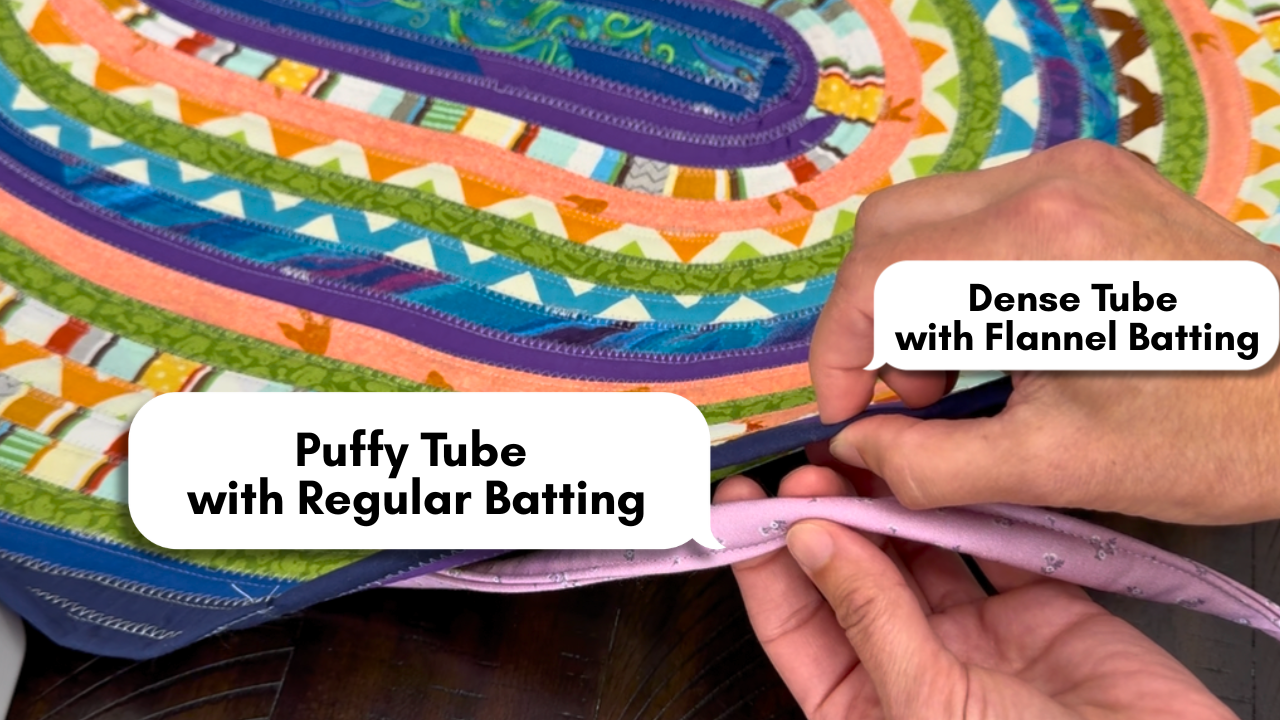
Batting compresses easily, which makes it more forgiving when you're sewing curves and corners.
The flannel, on the other hand, seemed to resist that compression, making every little inconsistency more noticeable.
That one difference appeared to affect almost everything, from skipped stitches to waves and the overall feel of the project.
My Final Verdict
Would I Recommend Using Flannel?
Maybe, but not to start with, if you are a beginner.
I’m no pro, but have a few years of large sewing projects under my belt, so I thought I was up for the challenge. I really wanted this experiment to work, because I love using fabric from my stash and saving money wherever I can.
But I honestly spent more time ripping stitches out than actually sewing the rug.
That said, this experiment is not over.
I know plenty of people have successfully used flannel instead of batting, which tells me there's something I'm missing. Which also means, there’s something new I can learn.
When I Try Again...
When I give this another try, I'll definitely make two changes:
Start with a denim needle from the very beginning.
Make sure the entire rug stays completely flat while sewing.
Try sewing with a walking foot.
If those changes make a difference, I'll be sure to share an update.
Products I Used
These are the supplies I used for this experiment:
Cotton fabric scraps cut into 2½-inch strips
Flannel cut into 2¼-inch strips
Denim sewing needle
(I'll add links to my favourite supplies as I continue testing different materials.)
This post contains affiliate links. If you purchase through these links, I may earn a small commission at no extra cost to you.
Have You Tried Using Flannel as Batting?
I'd genuinely love to hear from you.
Have you successfully used flannel instead of batting in a jelly roll rug?
If so, what worked for you?
Did you change your needle, your sewing technique, or something else entirely?
Leave a comment below. I have a feeling this experiment isn't finished yet.
Watch the Experiment
If you'd like to see exactly what happened, including the skipped stitches, the waves, and my very confused bowl-shaped "rug", you can watch the full experiment below.
And if you're making your very first jelly roll rug, I'd actually recommend starting with traditional batting. It makes the whole process much easier.
You can also check out my complete beginner jelly roll rug tutorial next:
Beginner Jelly Roll Rug Tutorial
Learn how to sew your first rug step by step.
Rectangle vs Oval Jelly Roll Rug
Which shape is easier for beginners?
Two Ways to Start a Jelly Roll Rug
Compare beginner-friendly starting methods.